
What Dolby Atmos is
Stereo asks how much of a sound belongs in the left and how much belongs in the right. Atmos asks: where should it be in the room?
An Atmos mix uses channel-based beds and audio objects. Objects carry positional information, so a voice, instrument, ambience or effect can sit anywhere in three-dimensional space.
The same master then adapts to the listener’s setup: a full speaker room, cinema, car, soundbar, headphones or stereo. It can be huge and dramatic, but it doesn’t have to be. Often the best use of Atmos is simply making a record feel more open, natural and involving.
Why it’s become popular
People can hear it. Atmos is available through Apple Music, Tidal, and a growing range of headphones, phones, televisions, soundbars, home systems and cars. You don't need twelve speakers at home. Many people are listening to it without even realising.
One master can travel. The object-based mix renders for each playback system rather than being tied to one speaker layout.
It brings dynamics back. Atmos delivery needs headroom. After years of crushed stereo masters, hearing quiet and loud used properly again can be the most striking part of it.
Atmos mixing
We can build an Atmos mix alongside your stereo mix, or work from an existing multitrack or stem session.
We start with the record, not the format. What should feel close? What needs air? A vocal can stay anchored while harmonies open around it. Reverb can become a real environment. A live recording can feel like the room it happened in.
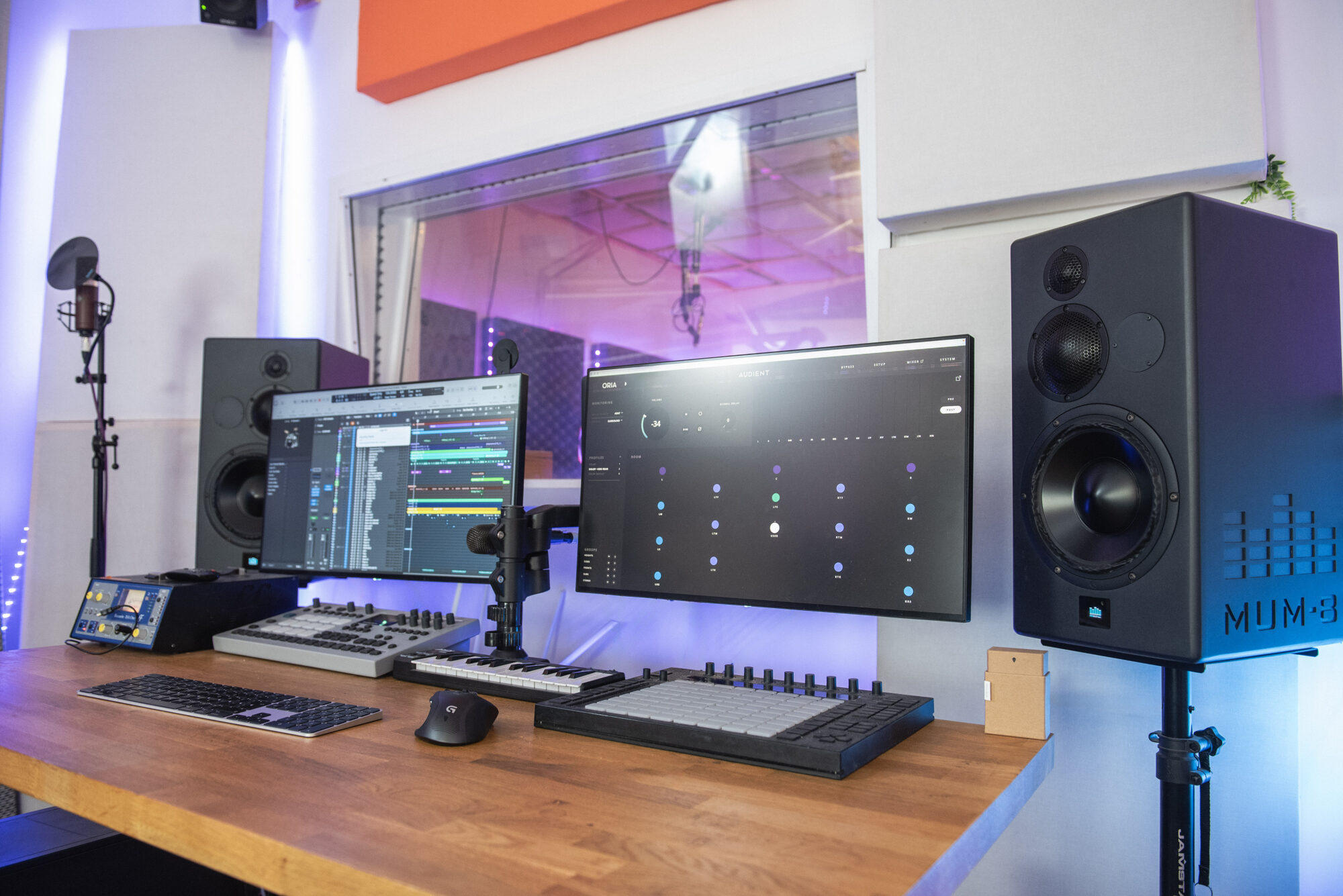
Every mix is checked on our 7.1.4 monitoring system and in binaural and stereo, so the big version doesn’t come at the expense of the versions most people will hear.
Atmos mastering
Atmos mastering is the final creative and technical check. We review loudness, true peak, metadata, object behaviour and translation across the full speaker mix, headphones and stereo re-renders.
We can work directly from your master or collaborate with your mix engineer on revisions. The aim is not to impose a house sound; it is to make sure the finished master plays as intended everywhere it goes.
ADM BWF and streaming delivery
The finished Atmos master is normally delivered as an ADM BWF: a WAV containing the audio, object positions and rendering metadata.
For streaming, delivery goes through an approved distributor or encoding house. Current requirements include a 24-bit, 48 kHz ADM BWF synchronised with the stereo reference. We prepare the master, stereo and requested reference renders, check timing across the release, and provide clear delivery notes.
Platform specifications change, so we confirm the destination’s current requirements before delivery.
Film and post-production
With picture, dialogue must stay clear while music, Foley, effects and ambience build the world around it. Atmos gives us precise control that translates from cinema, to a home cinema, to tinny TV speakers or even a phone.
We handle file delivery, mixing and mastering, or work with your existing post team.
QC and stereo fold-downs
We check loudness, peaks, timing, edits, beds, objects, binaural settings and required re-renders. We also listen carefully to the stereo fold-down. Sometimes it works beautifully; sometimes stereo needs its own mix. We will tell you which is which.
The room matters
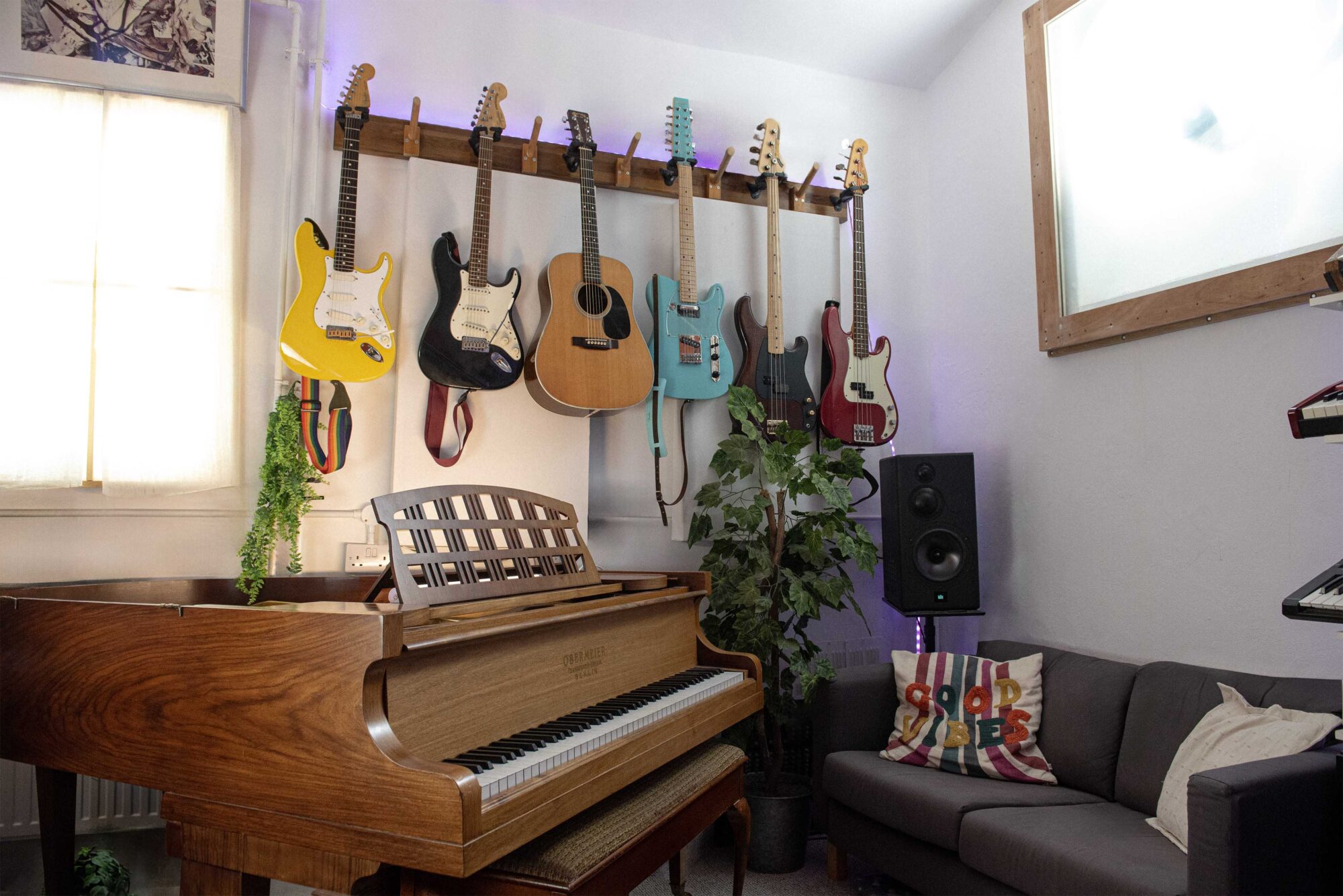
Our Leith studio is built around an exceptionally high-end, Dolby-calibrated PDP MUM-8 7.1.4 monitoring system: seven ear-level speakers, a low-frequency effects channel and four overheads.
Speaker position, level, delay, frequency response and bass management all affect whether the mix is telling the truth. Headphones are useful, but they do not replace hearing the soundfield in a properly set-up room.
We work remotely and in attended sessions. If you can get to Edinburgh, we recommend hearing the finished mix here at least once.